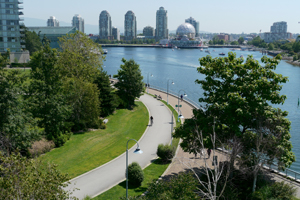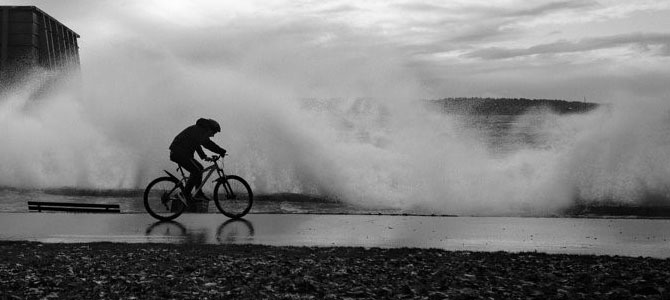
Photo by Colby Winfield (Unsplash)
 We are in a climate emergency
We have set targets in line with recommendations by the global scientific community to:
The climate crisis is the defining issue of our time. We are already experiencing the impacts of climate change, but there is still time to:
Recognizing this urgent threat, we declared a climate emergency in 2019 along with thousands of other cities from around the world.
Responding to this challenge gives us an opportunity to come together to create a city that is healthier, cleaner, safer, equitable, and resilient. Take part in bold change
Scientists from the United Nation’s Intergovernmental Panel on Climate Change External website, opens in new tab warns we must limit warming to 1.5° Celsius to avoid catastrophic climate change, but the world is currently on track for 3-4° Celsius of warming by the end of the century, and the window for action is closing.
Cities produce over 60% of global emissions from burning fossil fuels, particularly those in the global North, and are in the right place to transition to renewable energy.
We created the Climate Emergency Action Plan (CEAP) to reach the necessary carbon pollution reduction target of cutting Vancouver's carbon pollution. It identifies actions in areas we have jurisdiction over:
It calls for transformational changes and partnerships and bold climate policies that support individual behaviour change.
To make this change, we need you. Get involved to help us create a climate friendly Vancouver.
Climate emergency 101 Video file
Learn more about what climate change and bold climate action mean for Vancouver. View video in other languages Video file

Learn more about the initiatives helping us reach our goals and targets, and our progress so far.
We need your ongoing input and action, as we move forward with this bold climate plan. Sign up to stay connected on ways to get involved.