Up to
of material can be diverted from the landfill.

 Deconstruction
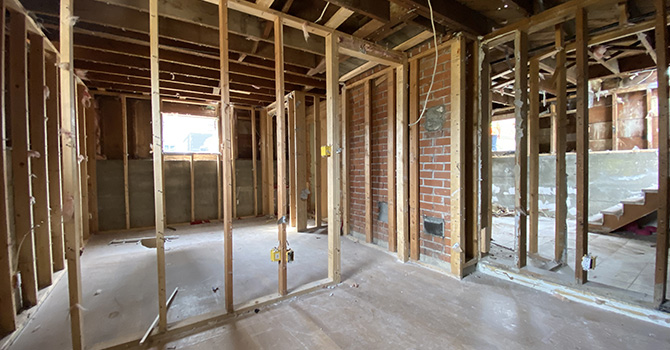
Deconstruction involves the systematic disassembly of a building to reclaim lumber and other building materials intact, in their original form, for reuse and recycling.
We encourage deconstruction as a sustainable alternative to traditional demolition, helping to reduce construction and demolition waste sent to landfills.
Find other strategies to reduce construction and demolition waste
Green demolition means the house being removed must meet the minimum reuse and recycling requirements set by Vancouver’s Green Demolition By-law PDF file (1.2 MB).
Green demolition projects can use:
In cases where wood salvage is required - homes built in whole or in part before 1910 or listed on the Vancouver Heritage Register and built in whole or in part before 1950 - deconstruction is mandatory.